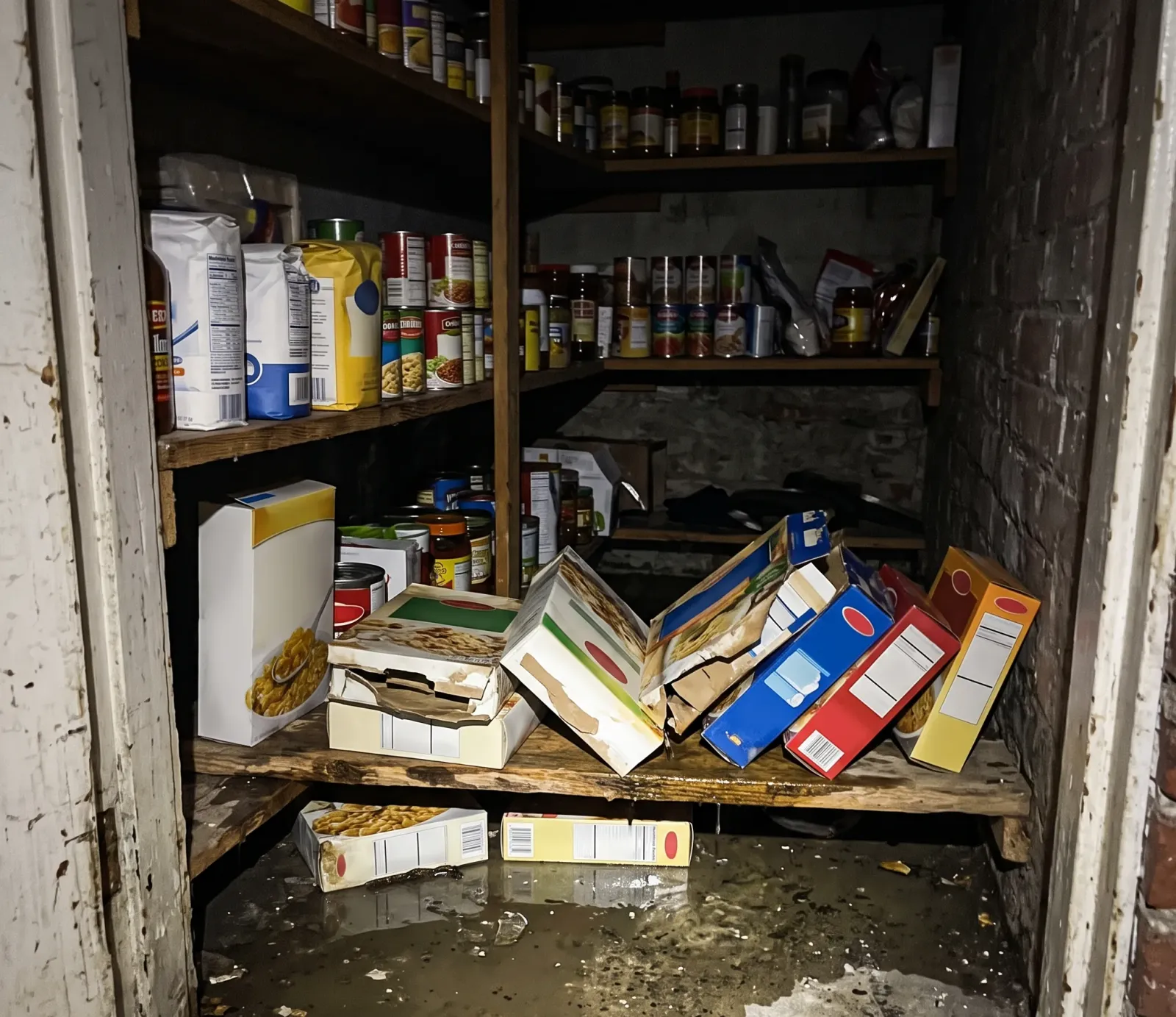
Basement Water Extraction
A clear sequence for safer basement entry, pumping, and moisture follow-up.
View Basement Water Extraction help in Tennessee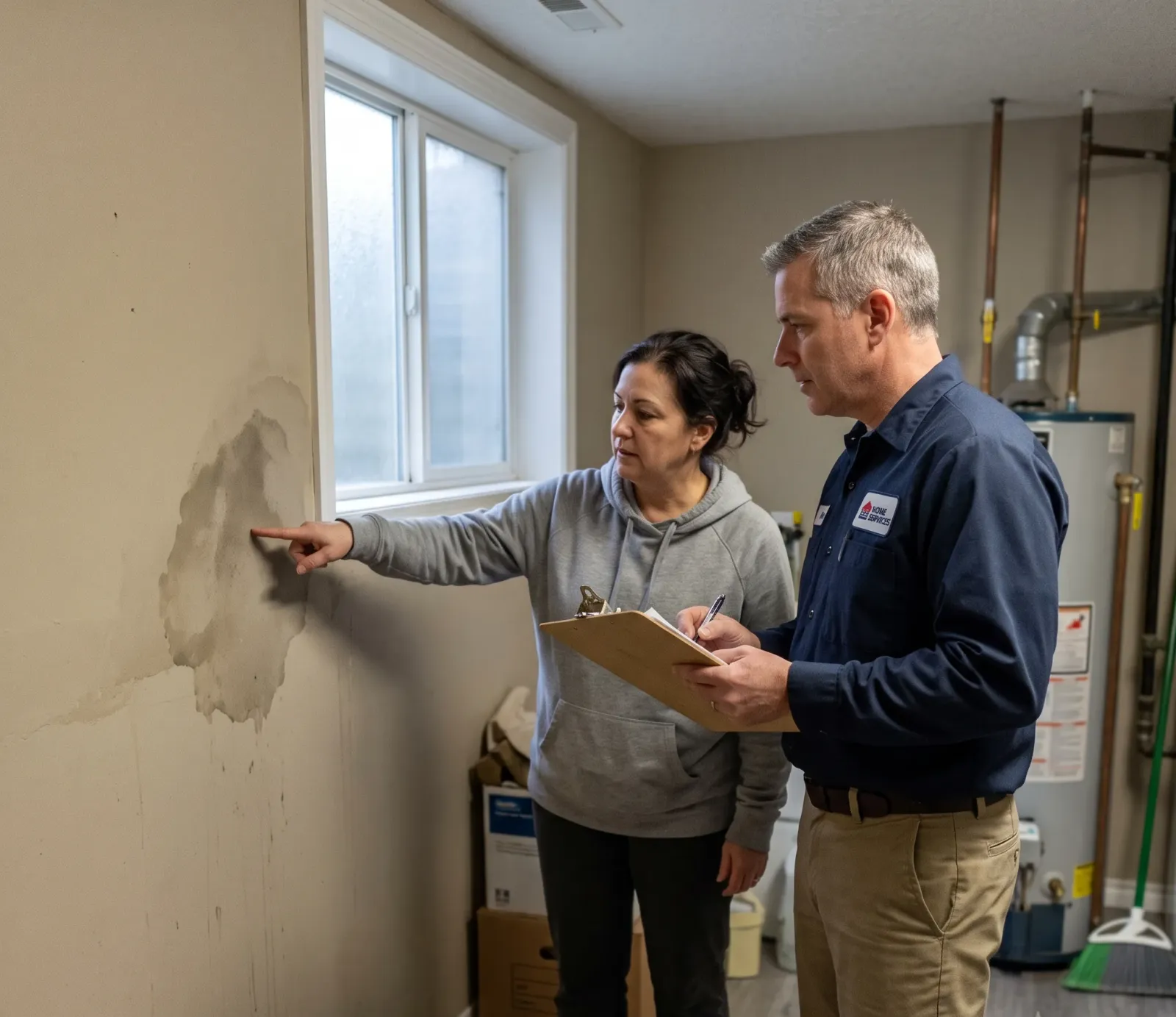
Rain can push water indoors, and poor drainage can leave a room wet by morning. A supply line can spill while a shop is open. Tennessee homes and businesses have different rooms and materials to include in the discussion. Water can seep beneath flooring and collect in wall cavities, leaving hidden areas damp after the surface looks dry. Emergency water extraction addresses urgent standing water. Tell us what you found and contact us for a written estimate.
A leaking pipe or appliance can spread water across a home's kitchen floor; rain can leave a small business with water on the ground floor. For a property in Tennessee, consider Basement Water Extraction, Crawl Space Water Extraction, Carpet and Pad Water Extraction as the first step in removing standing water.
After water enters your Tennessee home, ask how the pros we connect you with will define the removal work and check for lingering dampness. If drying is proposed, ask what it covers; request the written estimate and records, whether you are near North Memphis Frayser and Raleigh or elsewhere.
Homes and small shops can request water removal in communities spanning from Adams and Adamsville to Afton and Alamo; Tennessee supplies the wider service frame. Founders Park at Campbell Station and Hatchie National Wildlife Refuge show Tennessee’s varied settings.
A shallow pool in one clear area presents a different removal task from water spread through several rooms. In Tennessee homes, furniture or stored items may affect what can be reached. A small business may have water across customer space and a back work area. Tell the pros we connect you with what you can see and which areas are affected. They can explain the proposed extraction scope. The amount and location of accessible water shape that discussion; no two layouts are exactly alike.
A clear sequence for safer basement entry, pumping, and moisture follow-up.
View Basement Water Extraction help in Tennessee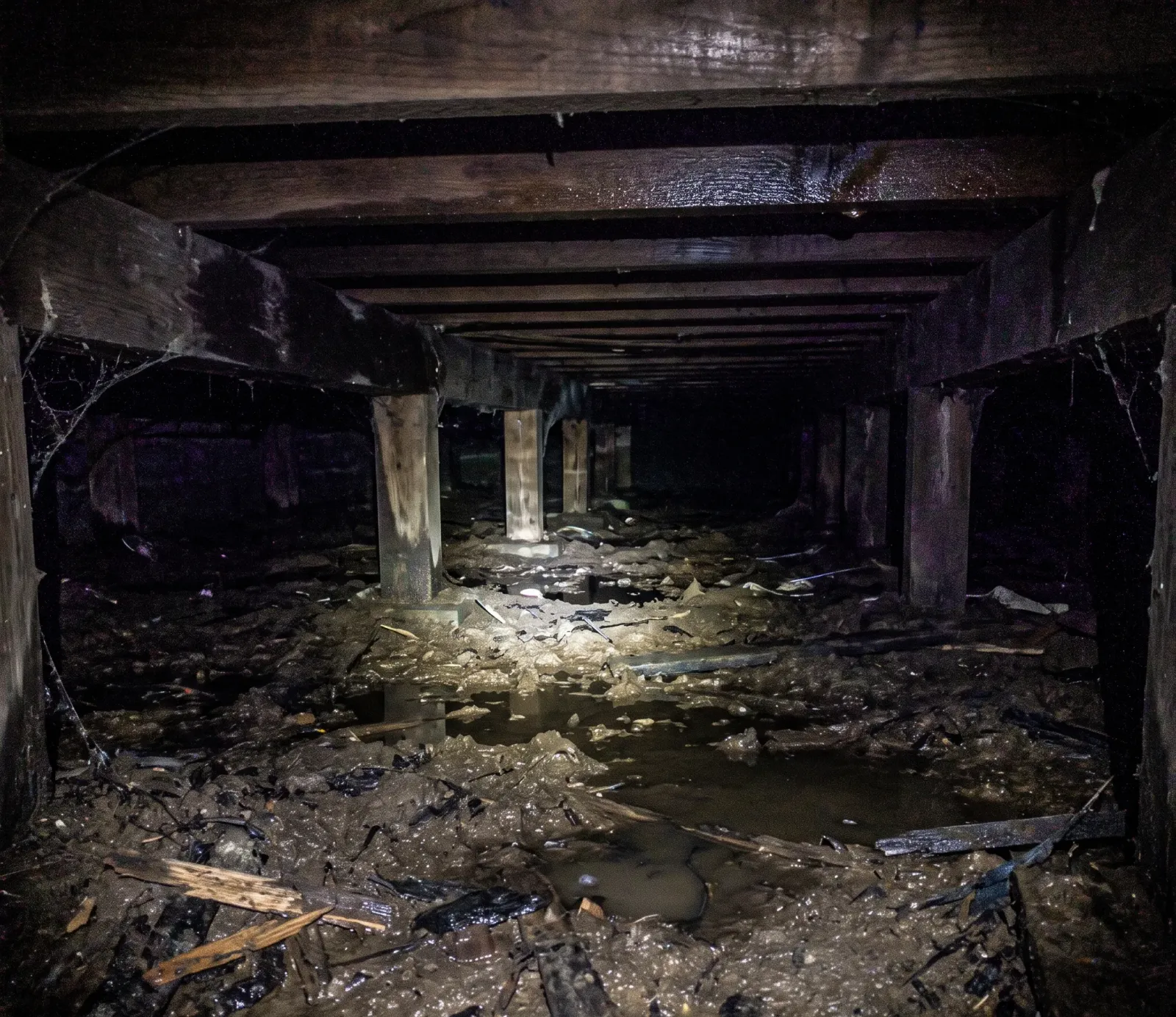
A clear sequence for checking access, water, safety, and removal
View Crawl Space Water Extraction help in Tennessee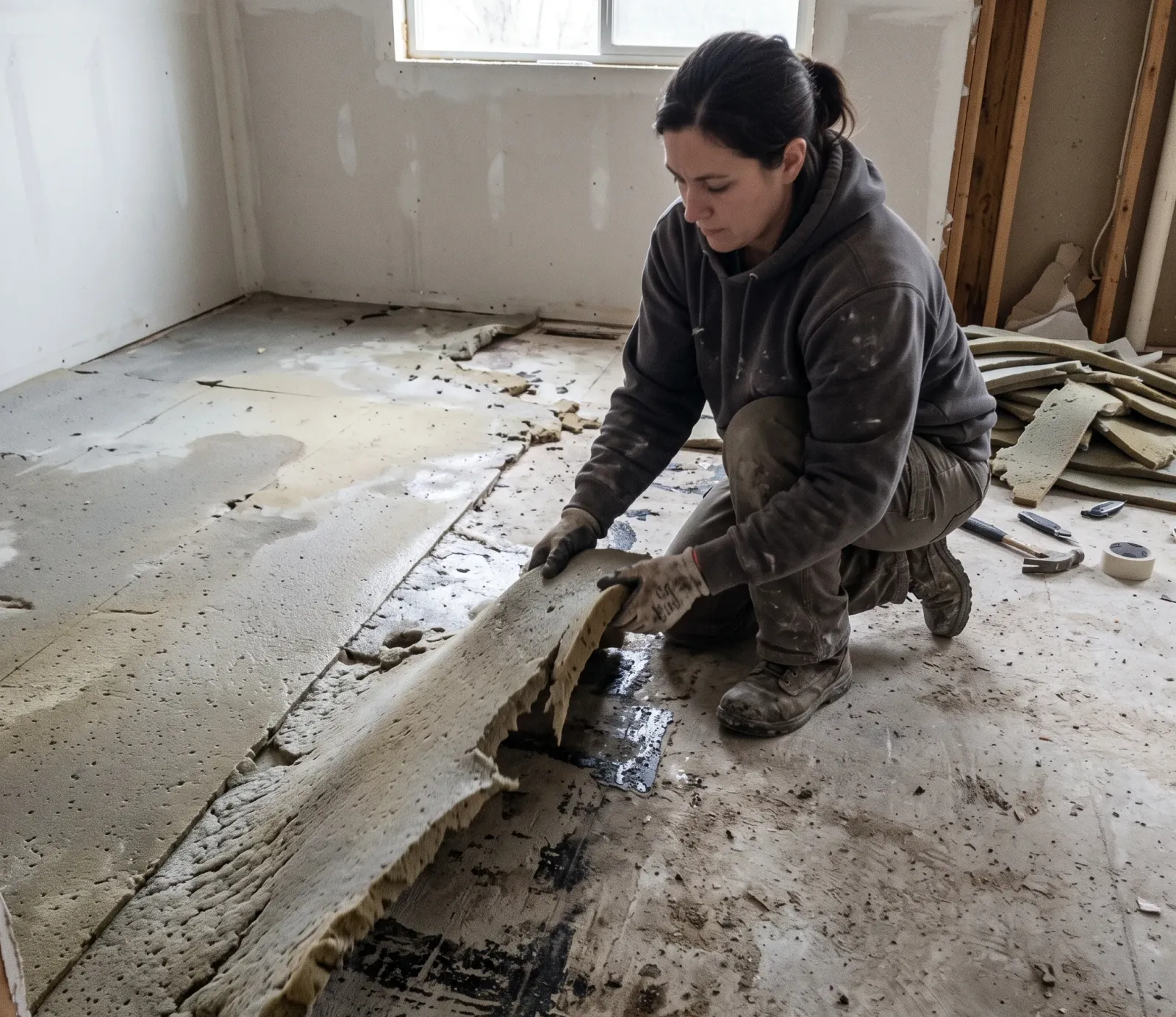
Keep off soaked carpet while pros assess access, pad saturation, and safe extraction
View Carpet and Pad Water Extraction help in Tennessee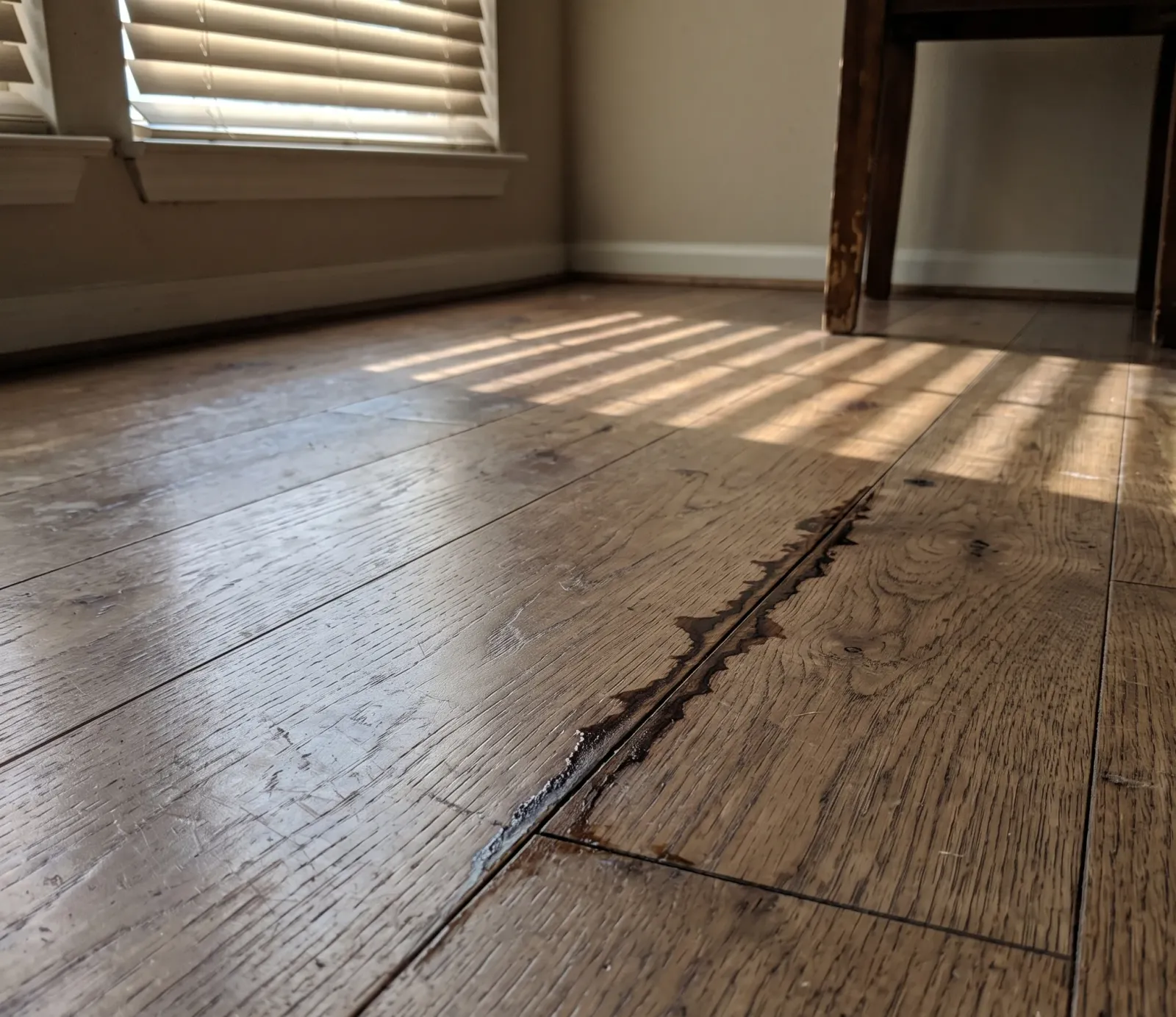
Hardwood water removal shaped by board style and visible pooling
View Hardwood Floor Water Extraction help in TennesseeKeeping walkways clear can help the review reach all parts of a wet room. The licensed pros we connect you with can use a note about when the water appeared to prepare for the first visit. Those details guide the first visit. Hatchie National Wildlife Refuge, Yanahli Wildlife Management Area, and Cumberland Gap Historic District mark different Tennessee settings; none can determine a property's flood status. On site, accessible water and affected areas shape the proposed extraction and its limits.
Call (615) 281-3628 or use the online form. If you can, describe any visible dampness or staining in the affected rooms. Ask the pros we connect you with about availability, timing, and visit charges.
Mention whether the door still opens and closes after water reached the area.
Before removal starts, ask what will make the work area safe and which precautions the written scope includes.
Ask what damp materials and equipment locations will be noted. Review the written work plan and ask the pros we connect you with about any warranty terms.
Access around furnishings and stored items can affect which standing water is reachable for extraction. In Tennessee, a home may have water across a room; a small shop may find it around stored goods. The pros we connect you with can inspect accessible standing water, mark affected areas, and explain what extraction can reach. Stored goods near the water may need attention alongside the affected floor. Which areas will the proposed extraction cover?
Let the licensed pros we connect you with know whether water is still entering, so they can account for the source as well as the wet materials.
Before the appointment, ask what the visit includes. Get proposed removal tasks and charges in writing before work starts.
Ask what access is needed before the work begins. Repairing the source is separate work.
Ask what findings and written records you should expect once the removal visit is complete.
When water enters a Tennessee home, a thin spread can reach adjoining rooms before you spot its path. Rugs, floor edges, furnishings, and stored items may get wet as it moves.
New wet patches may appear beyond a puddle in a Tennessee shop or home hallway. Extraction clears reachable standing water, while moisture may remain in materials for assessment and drying.
Confirm emergency water extraction coverage for your exact address directly with the pros we connect you with.
Practical guidance on water removal and choices that may follow for Tennessee homeowners.
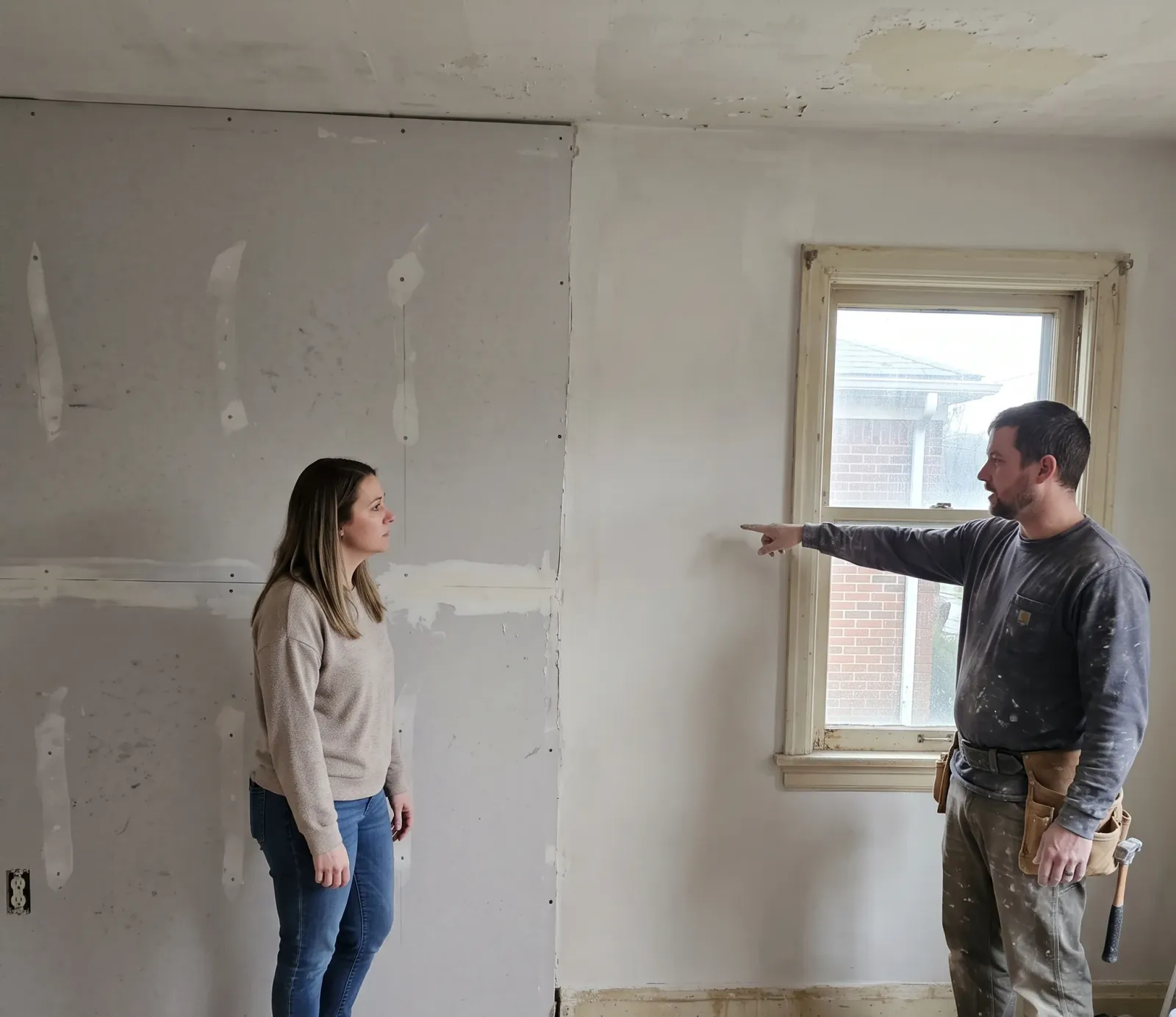
Learn when standing water makes walking unsafe, which visible warning signs to note, and what to share when you ask for a safe professional assessment.
Read article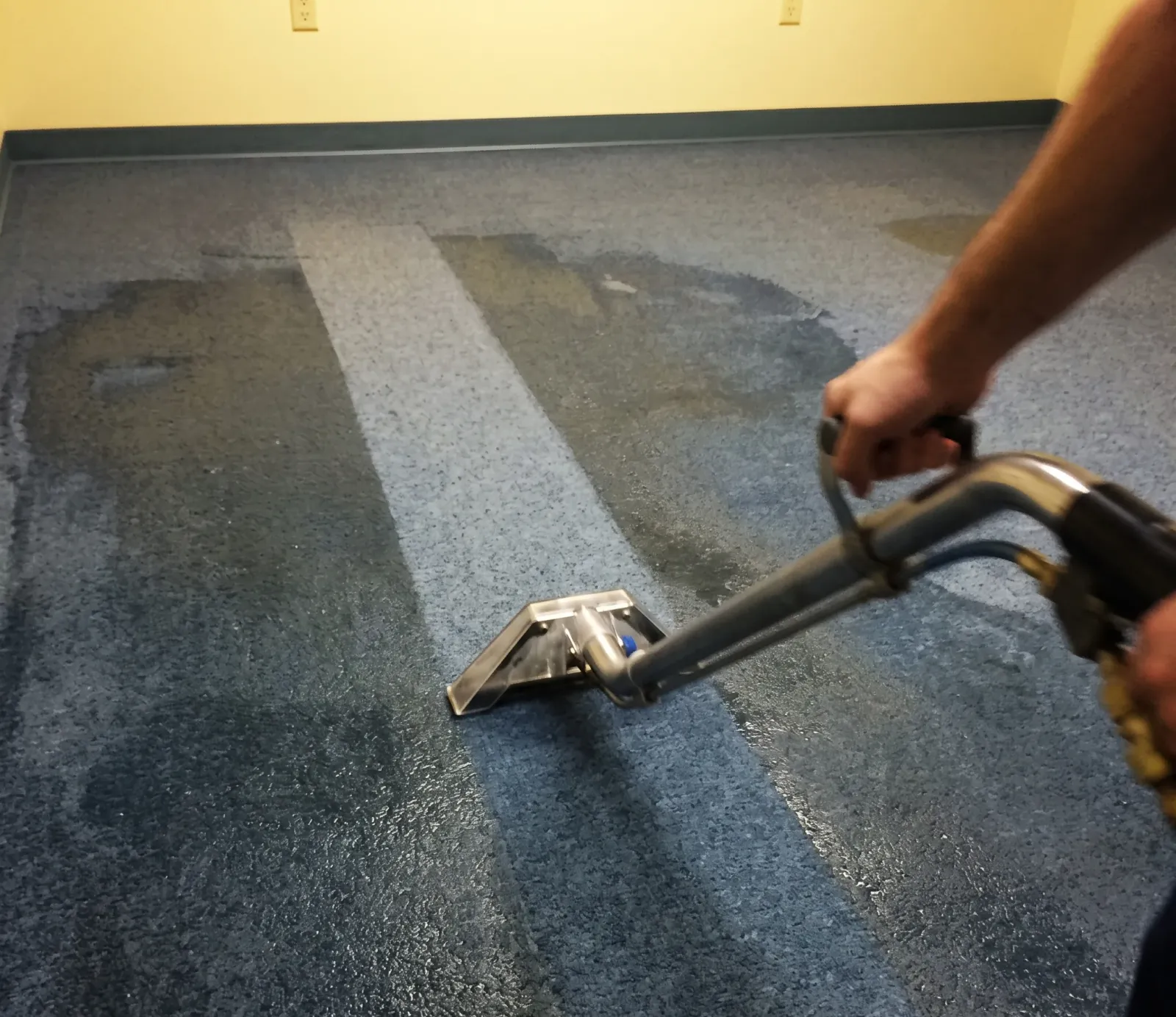
How long does emergency water extraction take in Tennessee? Learn how seasonal rain, water volume, and access affect removal duration, and what to ask local pros.
Read article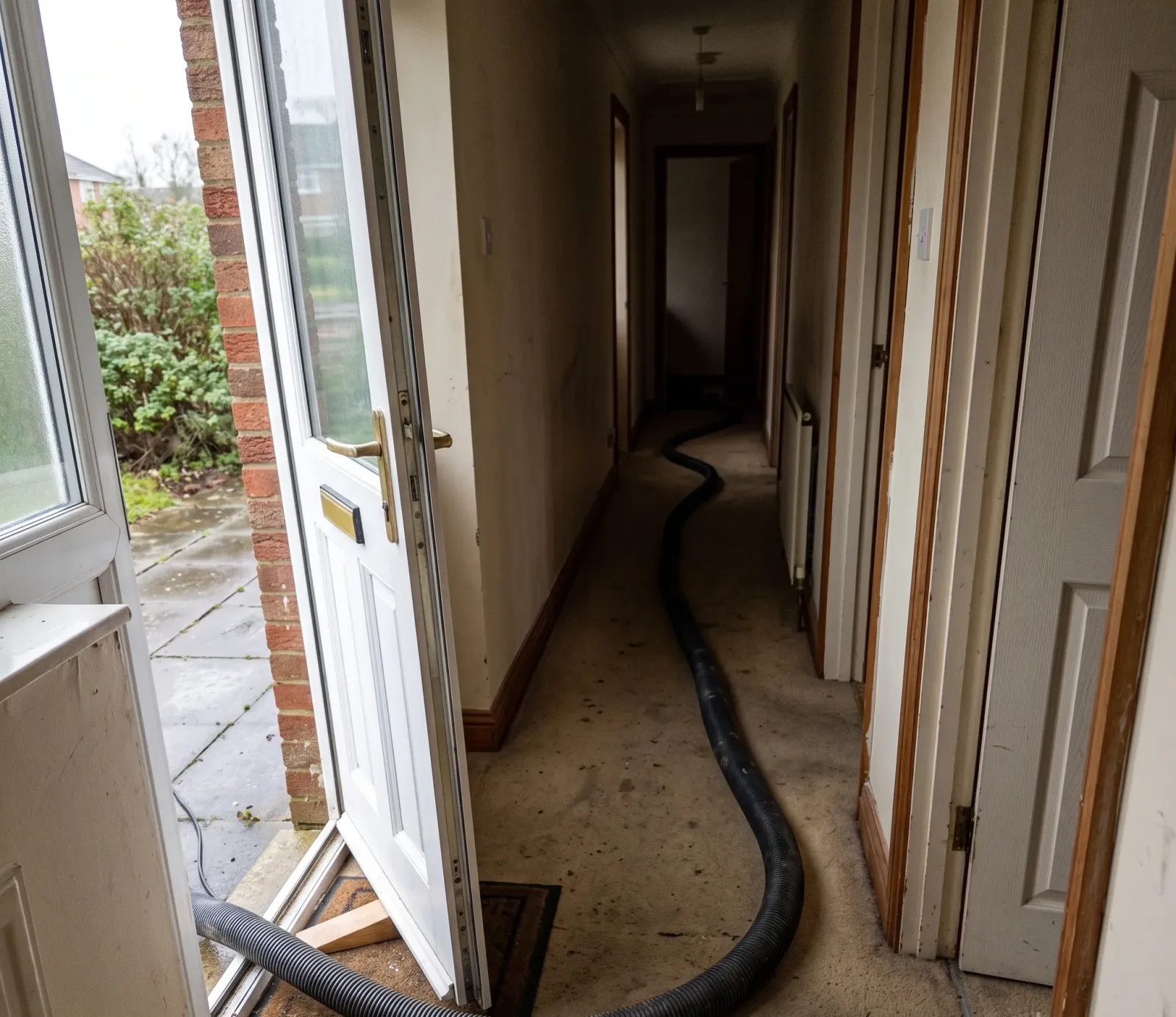
A Tennessee water extraction arrival estimate depends on current availability and your location. Learn what to report, what to ask, and how to track changes while waiting.
Read articleAfter a pipe breaks or rain enters, you may find water pooled where a room should be dry. Across Tennessee, from Cross Creeks National Wildlife Refuge to the Birthplace of Country Music Museum and Great Smoky Mountains National Park, the signs can be familiar: water spreading over floors, then damp spots after visible water is gone. Tell the pros we connect you with what you see and where it reached. Emergency extraction removes standing water; fixing its source and drying damp materials are separate steps.
Boxes with damp lower edges or a wet line on the stairs can show where water has reached. A musty odor can suggest that dampness remains after visible water has receded. Do not move items through standing water to inspect hidden areas. Share those observations during the assessment. They help clarify which accessible areas need water removal and where the provider should look next.
Basement Water Extraction →A damp odor near the floor after rain can lead you to check the crawl-space hatch. The visible pool may sit beyond the hatch’s reach. In Tennessee, crawl-space layouts vary from house to house. Describe the smell and any visible pooling when arranging an assessment. A safe view from outside helps frame the first check. Leave the hatch closed if opening it could expose you to unsafe wiring, unstable ground, or a confined entry.
Crawl Space Water Extraction →A footprint that stays pressed into the pile, or a carpet that feels unusually dense, can point to water beneath the visible fibers. The pad may be holding water even when the surface no longer shines. Keep people off the area where practical and tell the pros we connect you with how far the softness extends. A musty odor can be another clue that moisture has reached parts of the carpet that are not visible.
Carpet and Pad Water Extraction →A puddle that stays in one room may be simple to map, but water caught in narrow board joints can be harder to lift from the surface. Darkened edges or damp seams may show that water has moved beyond the visible pool. Across Tennessee, homes and small commercial spaces vary, so those observations help define the hardwood floor water extraction area. Keep people away from slippery boards, and do not enter if electrical hazards may be present.
Hardwood Floor Water Extraction →On a wet morning in Tennessee, you may find water inching across a room before breakfast. A shop owner may discover a pool beside the work area after closing. The first question is which reachable areas need removal. The pros we connect you with can discuss that boundary and prepare a written estimate. A clear scope can show which materials and surfaces the cleanup would address. Those names offer context, not a forecast for your address. Ask what the proposed work includes.
In Adams, a room-by-room account and clear entry directions help explain the water scene and access needs.
Emergency Water Extraction in AdamsTell the licensed pros we connect you with whether water is entering now or appeared earlier.
Emergency Water Extraction in AdamsvilleAfton’s residential postal area uses ZIP 37616; the Historic Roaring Spring Marker offers a local orientation point.
Emergency Water Extraction in AftonIn Alamo, describe the path from the entrance through hallways and doorways to each wet room.
Emergency Water Extraction in Alamo
A clear estimate should name the rooms included and the water removal planned for each. Even after standing water is gone, damp materials may need attention. A room may feel dry while moisture remains in the materials beneath its surfaces. Ask how the plan will address water trapped beneath flooring or inside walls. Keep away from water near outlets or equipment until the area is safe. Contact us to discuss the affected areas and written scope.
Choose Your Next Move
Learn how standing water is removed, what materials may remain damp, and how assessment, drying, and written records fit the scope.
Review the household water guide for safety concerns, removal basics, and questions to settle before service.
Ask which observations support each recommendation.
Use visible pooling, damp surfaces, and water still entering to guide the questions you raise.
Tennessee spans settings from North Memphis Frayser and Raleigh to areas near Great Smoky Mountains National Park and Stones River National Battlefield. Those place names cannot tell you what a property needs. Ask the pros we connect you with to explain their planned steps, the areas they will address, and what falls outside the work. You can also ask who will answer questions if conditions change after work begins.
Water can spread beyond the first visible area, so note any damp spots or changes in nearby materials. Point out which rooms or business areas appear affected. If you know the source, share that too; if you do not, say so. In Tennessee, heavy rain, drainage trouble, or overflowing waterways can lead to water intrusion, but the cause at your property needs its own assessment.
Ask for a written scope before work begins. It should name the affected areas, describe the water removal tasks, and state what is excluded. Ask who will update the scope if hidden moisture or additional affected materials are found. In Tennessee, water removal, drying, source repair, cleanup, and rebuilding can involve separate work; ask the pros we connect you with to identify what their document covers.
If it is safe, take photos or video of visible water and affected belongings before they are moved. Keep the estimate, written scope, invoices, and messages about changes together. Note when you first noticed the problem and any details about its source. If electrical equipment is affected, keep clear and document that concern only from a safe spot.
Tell the pros we connect you with which outlets or appliances got wet and where. Note any power interruption you observed without touching electrical controls. Those details can help them plan the order of work and decide whether another trade needs to assess the electrical system. In Tennessee, describe the affected rooms plainly; water removal does not include electrical repairs.
Ask whether the extraction plan covers water in hard-to-reach areas as well as visible pools. Once water is out, moisture checks can show whether flooring, walls, or other materials need drying equipment. Repairing a leak, handling contaminated water, remediation, or rebuilding may call for separate work. In Tennessee, ask which steps are included before assuming the extraction visit completes the restoration.
Look for a clear description of each task, the area where it will happen, and any stated exclusions. If an entry uses a broad label, ask what action it means at your property. Ask which conditions could change the listed work and how proposed additions will be documented. In Tennessee, compare the estimate with the written scope so you can see whether both describe the same work.
Your insurer or insurance agent can explain the terms of your policy and how they apply to the reported damage. Share the cause, the affected areas, and the written estimate when you ask. Water damage and flooding may be treated differently, so do not assume the policy covers either. Keep notes of the insurer’s instructions and any documents they ask you to provide.
If water continues to enter, describe where it appears and whether the flow is changing when you contact the pros we connect you with. Avoid the affected area if electrical or structural safety is uncertain. A continuing leak or outside water source may need separate attention; extraction removes water already present but does not stop its source. In Tennessee, local emergency guidance can help when conditions create an immediate hazard.
Water can spread into nearby materials, leaving damp areas beyond the visible pool that may need extraction. How much water must be removed, which materials are wet, site access, and requested scope shape the confirmed amount from the pros we connect you with.
You may hear water under a sink, then find it across the kitchen floor. Water can seep into the cabinet base before it spreads into the open. A small business may find water near stored supplies instead. Water near stored supplies can make it harder to tell which items stayed dry. Confirm their availability, any visit fee, and the expected timing before arranging a visit.
Call (615) 281-3628